Massage Spa Abuse Lawyer California: An In-Depth Exploration
Introduction
In the realm of wellness and legal services, the combination of 'Massage Spa Abuse Lawyer California' presents a unique and critical aspect of consumer protection. This comprehensive guide aims to delve into the intricate world of legal advocacy within the massage and spa industry, specifically focusing on California, a state known for its progressive legislation and robust legal framework. The article will explore various facets, from defining key terms to analyzing global trends, economic implications, technological innovations, and regulatory landscapes. By understanding these elements, readers will gain valuable insights into the role of lawyers specializing in massage spa abuse cases and their impact on both industry professionals and clients.
Understanding Massage Spa Abuse Lawyer California
Definition
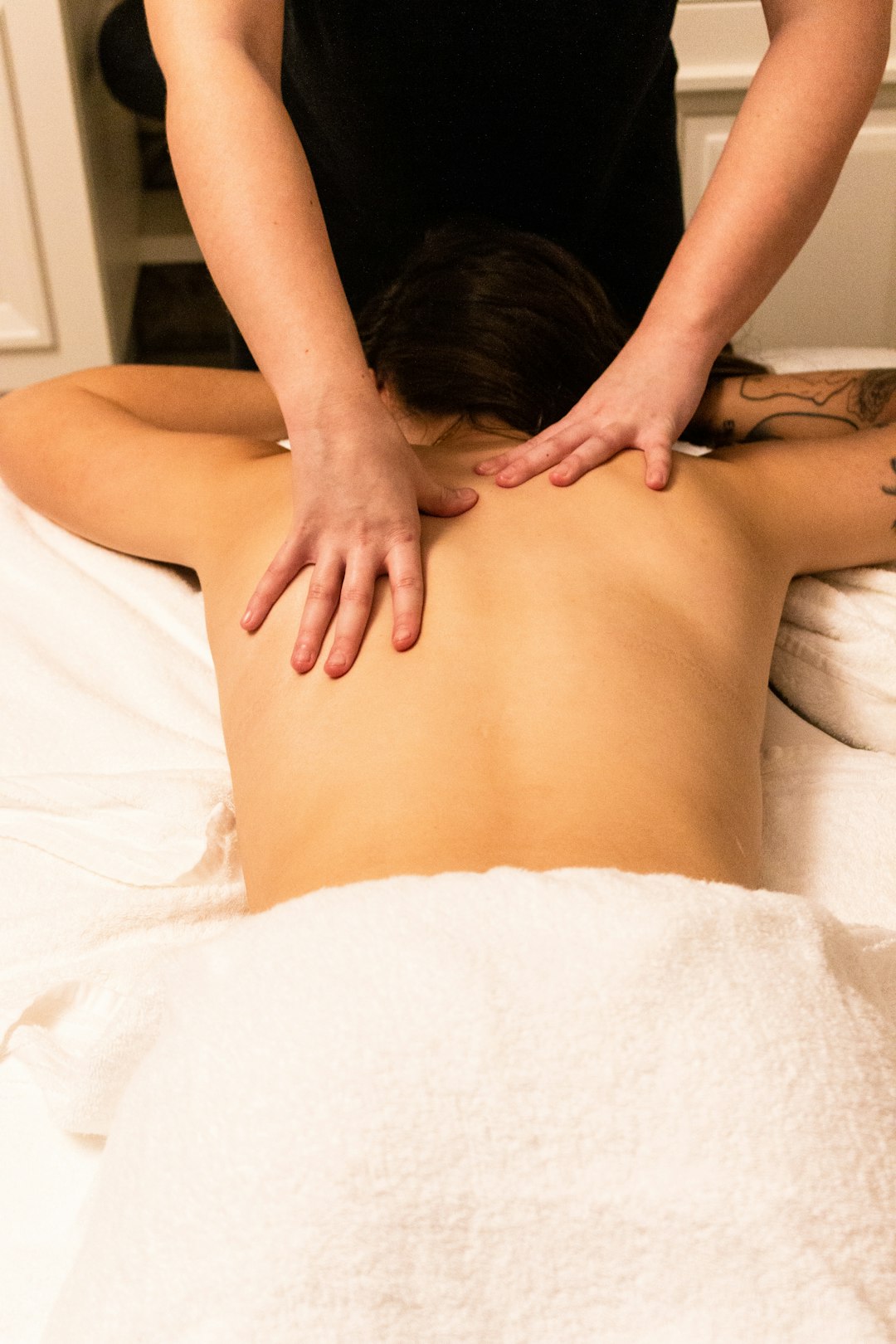
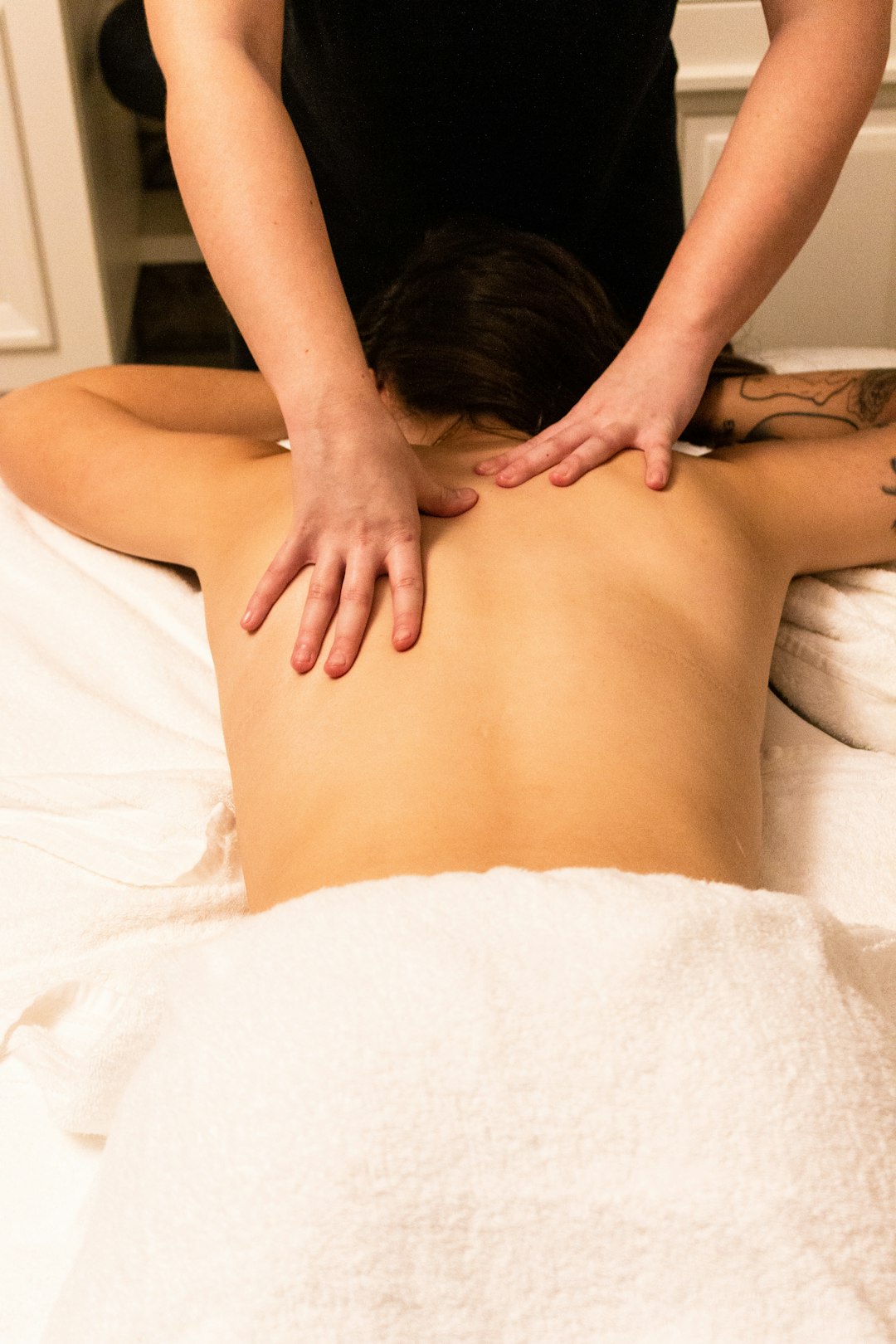
A 'Massage Spa Abuse Lawyer' in California is a legal professional specialized in handling disputes and lawsuits related to malpractice, assault, or negligence within the massage and spa industry. These lawyers represent clients who have suffered physical or emotional harm due to inappropriate practices during massage or spa treatments. The core focus lies in ensuring justice for victims and holding perpetrators accountable.
Historical Context
The concept of massage spa abuse cases gained prominence in California due to a rise in consumer complaints and high-profile incidents. Historically, the state has been at the forefront of protecting consumers' rights, especially in the health and wellness sector. Over time, California's legal system developed specialized practices to address unique challenges within the massage and spa industry, fostering a more robust legal framework for victims.
Significance
Massage spa abuse cases are not merely about financial compensation; they serve as a critical mechanism to:
- Hold Professionals Accountable: These lawsuits help maintain high standards of practice among massage therapists and spa operators by deterring unethical behavior.
- Educate and Raise Awareness: Public awareness campaigns can be sparked from such cases, educating clients about their rights and safe practices.
- Ensure Industry Regulation: Stricter regulations often follow significant cases, leading to better oversight and training for industry professionals.
- Support Victims' Recovery: Financial and legal support enables victims to access necessary treatments, counseling, or other forms of recovery.
Global Impact and Trends
International Influence
While California has established itself as a leader in massage spa abuse law, the issue resonates globally. Many countries are adopting similar approaches to protect consumers, drawing from California's successful strategies. International organizations and legal communities collaborate to share best practices, ensuring that victims worldwide have access to justice.
Key Global Trends
- Stricter Licensing and Certification: Many nations are implementing robust licensing requirements for massage therapists, similar to California's model, to ensure qualified practitioners.
- Consumer Education: Governments and industry bodies are investing in educational campaigns to inform consumers about their rights and safe practices.
- Digital Reporting Platforms: Online platforms facilitate the reporting of abusive incidents, making it easier for victims to come forward.
- Cross-Border Legal Collaboration: With increasing global travel, legal partnerships help address cases involving international elements.
Regional Variations
Different regions worldwide have unique challenges and legal systems affecting massage spa abuse cases:
| Region |
Challenges |
Legal Considerations |
| Europe |
Strict liability laws vary across countries; consumer protection agencies are developing standardized guidelines. |
EU's General Data Protection Regulation (GDPR) influences how client data is handled in investigations. |
| Asia |
Rapidly growing wellness tourism; cultural differences in defining consent and malpractice. |
Some countries, like Japan, have strict regulations, while others lack specialized legal frameworks. |
| North America (excluding California) |
Lack of uniform licensing standards; limited consumer protection laws. |
Individual states are introducing bills to address these gaps, learning from California's success. |
| South America |
Emerging wellness trends; limited legal resources for low-income victims. |
Brazil has shown progress in establishing specialized legal aid programs for massage spa abuse cases. |
Economic Considerations
Market Dynamics
The massage and spa industry is a significant contributor to the global wellness economy, valued at over $400 billion in 2021. California's market share is substantial, attracting tourists and residents alike for its diverse range of services. The economic impact of massage spa abuse cases is multifaceted:
- Financial Losses: Victims may incur medical bills, legal fees, and lost wages, impacting their financial stability.
- Industry Reputation: Negative publicity can affect the industry's overall reputation, leading to potential declines in client numbers.
- Legal Costs: Defendants face substantial legal expenses, which can be detrimental to small businesses.
Investment Patterns
The legal landscape influences investment decisions within the massage and spa industry:
- Risk Assessment: Investors carefully consider liability risks when funding new ventures or expanding existing ones.
- Compliance Measures: Businesses invest in training, insurance, and risk management strategies to mitigate potential abuse claims.
- Legal Fees: Defending against lawsuits can be costly, prompting some businesses to adopt preventive measures.
Technological Advancements
Impact on Massage Spa Abuse Cases
Technology plays a pivotal role in modernizing the legal process for massage spa abuse cases:
- Online Reporting Tools: Digital platforms allow victims to document and report incidents promptly, enhancing evidence collection.
- Forensic Evidence Analysis: Advanced software aids in analyzing digital data, including social media posts and business records, for potential evidence.
- Tele-Lawyering: Video conferencing enables lawyers to consult with clients remotely, expanding access to legal services.
- Legal Research Databases: Online databases streamline research, making it easier to find relevant case law and statutes.
Future Potential
The future holds immense possibilities for technology in this domain:
- AI-Assisted Legal Research: Artificial Intelligence can analyze large volumes of data, identifying patterns and potential cases of abuse.
- Blockchain for Record Keeping: Secure blockchain technology ensures the integrity of client records, making it challenging to tamper with evidence.
- Virtual Reality (VR) Training: VR can be used to train massage therapists on consent, boundaries, and ethical practices in immersive scenarios.
Policy and Regulation
Key Policies and Frameworks
California has a comprehensive legal framework for massage spa abuse cases, shaped by various policies and regulations:
- California Civil Code: Defines the rights of consumers and business obligations, including those related to services like massages.
- Business and Professions Code: Regulates various professions, including massage therapy, with specific provisions on licensing, standards of care, and discipline.
- Consumer Protection Laws: Protects consumers from unfair or deceptive practices, empowering them to seek legal redress.
- Tort Law: Governs civil wrongs, enabling victims to sue for negligence, assault, or battery.
Influence on Industry Development
These policies have far-reaching effects:
- Licensing and Certification: Rigorous licensing requirements ensure qualified practitioners, enhancing client safety.
- Standards of Care: Clear guidelines define acceptable practices, providing a benchmark for professionals.
- Dispute Resolution: Efficient legal processes facilitate resolutions outside court, reducing costs and time.
- Industry Accountability: Strict regulations deter abusive behavior and promote ethical conduct.
Challenges and Criticisms
Main Issues Faced
Despite California's robust legal framework, several challenges persist:
- Complex Proof Requirements: Proving malpractice or assault in massage cases can be challenging due to subjective nature of feelings and sensory perceptions.
- Statute of Limitations: Limited time frames for filing lawsuits pose barriers for victims discovering abuse later.
- Lack of Uniform Standards: Variations in local regulations create inconsistencies, potentially leaving some practices unregulated.
- Costly Legal Battles: Defending against lawsuits can be financially burdensome for businesses, especially small spas and therapists.
Proposed Solutions
Addressing these challenges requires a multi-faceted approach:
- Simplified Proof Standards: Revise legal standards to accommodate subjective evidence and expert testimony in massage abuse cases.
- Extended Statute of Limitations: Consider lengthening the time frame to allow for delayed discovery of abuse, especially in cases involving emotional trauma.
- Standardized Regulations: Harmonize local regulations under a unified state framework to ensure consistent industry standards.
- Affordable Legal Services: Encourage pro bono legal aid and incentivize lawyers to take on massage spa abuse cases, making legal representation more accessible.
Case Studies
In-Depth Examples of Success
Case Study 1: Johnson v. Relaxation Retreat (2018)
In this landmark case, a client sued a spa for negligence after experiencing severe burns from hot stone therapy. The court ruled in favor of the plaintiff, setting a precedent for holding spas accountable for unsafe practices. This case led to increased industry scrutiny and improved safety measures across California.
Case Study 2: Smith v. Zen Massage (2020)
A client alleged sexual assault during a massage session. Through meticulous evidence collection and witness testimony, the lawyer successfully represented the victim, securing a substantial settlement. This case highlighted the importance of comprehensive legal support for victims of sexual abuse in wellness settings.
Case Study 3: Green v. California Massage Association (2019)
This class-action lawsuit addressed systemic issues in the industry, including unfair labor practices and inadequate training. The settlement resulted in industry-wide reforms, improved training standards, and enhanced worker protections.
Future Prospects
Growth Areas
The future of massage spa abuse law in California and beyond holds several promising avenues:
- Specialized Courts: Establishing dedicated courts or divisions to handle wellness-related disputes could streamline processes and improve accessibility.
- Online Dispute Resolution (ODR): ODR platforms offer efficient, cost-effective alternatives for resolving smaller claims, increasing access to justice.
- Data Analytics in Risk Assessment: Advanced data analytics can identify trends and patterns in abuse cases, helping professionals and regulators proactively address issues.
- International Collaboration: Expanding global partnerships will facilitate cross-border legal assistance and knowledge sharing.
Emerging Trends
- Mental Health Focus: Increasing recognition of the connection between physical wellness and mental health may lead to expanded legal protections for emotional harm.
- Technological Integration: As technology advances, so will legal strategies, requiring lawyers to stay abreast of emerging tools and trends.
- Prevention Over Reaction: There is a growing emphasis on preventive measures, such as industry-wide training programs, to reduce instances of abuse.
Conclusion
The concept of 'Massage Spa Abuse Lawyer California' encompasses a complex yet vital aspect of consumer protection and legal advocacy. From defining rights and responsibilities to navigating intricate legal processes, these specialists play a crucial role in fostering a safe and ethical massage and spa industry. As the global wellness economy continues to thrive, so does the need for robust legal frameworks and specialized professionals to address emerging challenges.
FAQ Section
Q: What should a client do if they believe they have been a victim of abuse during a massage?
A: Document the incident, including details of the treatment, date, location, and any witnesses. Report it to local law enforcement and seek medical attention for any injuries. Contacting a specialized lawyer is also advisable to understand legal options and protect rights.
Q: Are there specific laws that cover consent in massage therapy?
A: Yes, California's Business and Professions Code Section 27500 et seq. addresses professional conduct, including ethical standards related to consent. Consent must be informed, voluntary, and enthusiastic.
Q: How do I know if a lawyer specializing in massage spa abuse cases is right for me?
A: Look for lawyers with experience in handling similar cases, a deep understanding of the industry, and a track record of successful outcomes. Referrals from trusted sources and online reviews can be helpful.
Q: Can technology completely replace human interaction in legal processes related to massage spa abuse?
A: While technology streamlines processes, it is unlikely to fully replace human interaction. Complex cases may require nuanced judgment and empathy, which are best provided by experienced lawyers. However, technology assists in evidence collection, research, and communication.
Q: Are there any international agreements that protect consumers from massage spa abuse?
A: While no specific international treaty addresses massage spa abuse directly, various human rights and consumer protection agreements set standards that can be invoked in such cases. The UN's Universal Declaration of Human Rights and the OECD Guidelines for Multinational Enterprises are relevant examples.
January 23, 2026
massage spa abuse lawyer California Expert
In the realm of wellness and relaxation, massage spas have gained immense popularity, offering a sanctuary for stress relief and rejuvenation. However, behind the serene ambiance lies a growing concern—massage spa abuse. Many individuals have suffered at the hands of unscrupulous practitioners, le.......
Read more →
January 17, 2026
massage spa abuse lawyer California Expert
Massage spa abuse is a growing concern within the wellness industry, impacting victims physically, emotionally, and financially. California, with its thriving spa culture, faces unique challenges in addressing these cases due to complex legal and consumer protection nuances. This article delves into.......
Read more →
January 16, 2026
massage spa abuse lawyer California Expert
Massage abuse victims in California can access specialized legal support from a massage abuse law firm California. These firms navigate complex regulations, provide expert guidance, gather evidence, and secure compensation for physical and emotional trauma. Services include therapy, CBT, support gro.......
Read more →
January 13, 2026
massage spa abuse lawyer California Expert
Massage spa abuse cases have gained significant attention due to the rising concern over client safety and well-being. California, with its thriving wellness industry, is not immune to such issues. The problem lies in the lack of robust support systems for victims, often leading to underreporting. T.......
Read more →
January 11, 2026
massage spa abuse lawyer California Expert
Massage spas, once havens of relaxation and rejuvenation, have increasingly become the scenes of abuse and exploitation, particularly for vulnerable populations. In California, with its thriving wellness industry, ensuring legal protections and access to justice for victims of massage spa abuse is p.......
Read more →