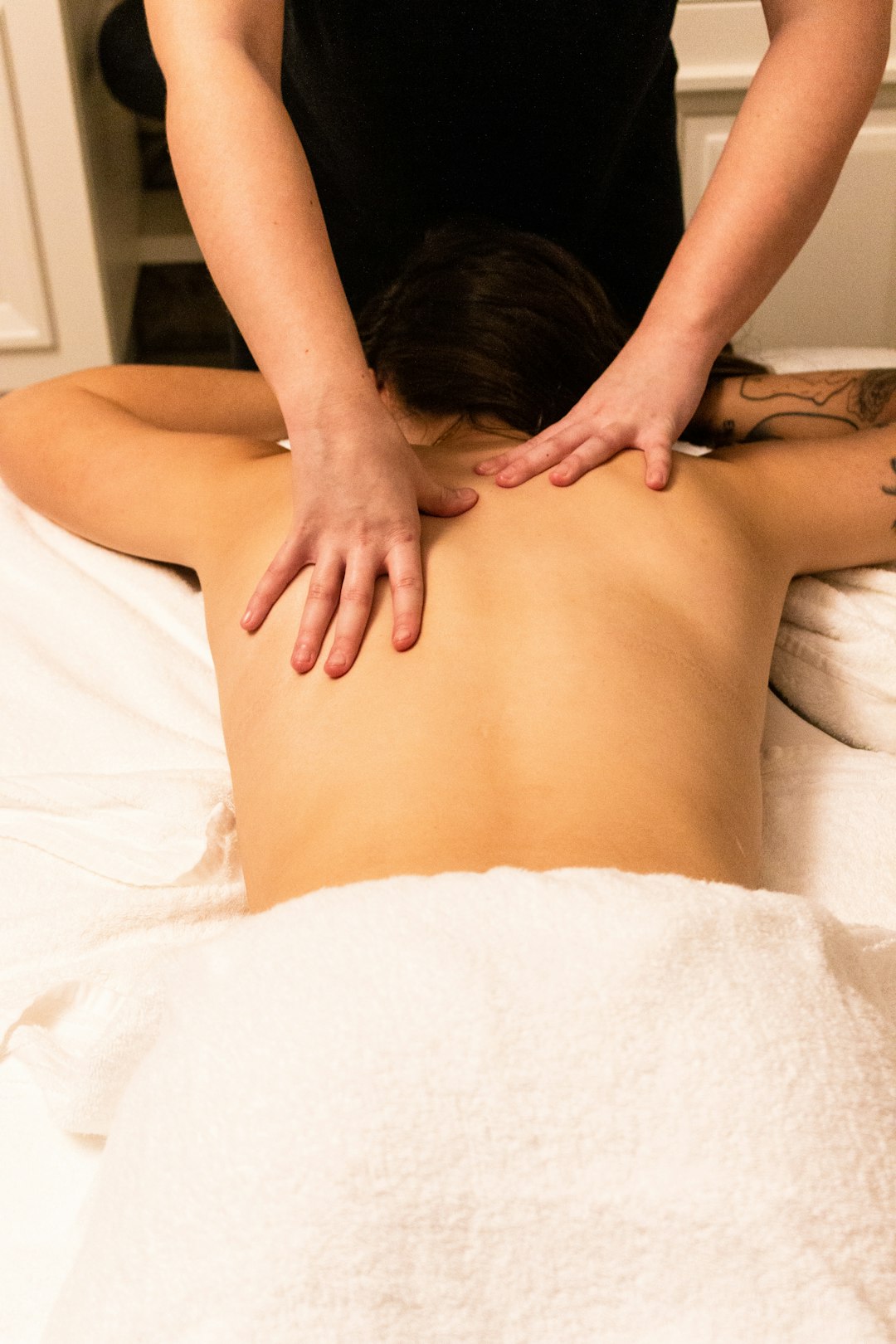
Virtual Reality (VR) is revolutionizing massage therapy training in California by providing a safe, immersive environment for students to develop skills, simulate diverse patient conditions, and receive real-time feedback. This technology addresses concerns from massage abuse law firms by enhancing learning outcomes, improving ethical decision-making, and reducing risks associated with live subjects. VR can standardize high-quality education, elevate curriculum standards, and ultimately improve patient outcomes while preparing graduates to handle a wide range of needs.
The integration of technology into healthcare training has gained momentum, particularly with virtual reality (VR) offering immersive experiences. In California, where massage therapy is a thriving industry, ensuring quality training while adhering to stringent massage abuse law firms is paramount. However, traditional methods often fall short in preparing students for real-world scenarios, leading to potential risks and legal implications. This article explores the transformative potential of VR in California massage therapy training, addressing key challenges and presenting a comprehensive solution to enhance learning outcomes and mitigate risks, thereby fostering a safer and more competent therapeutic environment.
Virtual Reality: Transforming Massage Training in California

Virtual Reality (VR) is poised to revolutionize massage therapy training in California, offering immersive experiences that enhance learning outcomes and address critical challenges in education and public safety. This cutting-edge technology allows students to practice on virtual clients, providing a safe space to develop skills and refine techniques without the risks associated with live subjects. In California, where massage abuse law firms play a vital role in protecting clients from unethical practices, VR can serve as a powerful tool for ensuring high standards of training and professionalism.
One of the significant advantages of VR in massage therapy is its ability to simulate diverse scenarios, allowing students to encounter various muscle tensions, body types, and pain levels. This breadth of practice enables therapists-in-training to be better prepared for real-world encounters. For instance, a study by the California Massage Therapy Council (CMTC) found that 78% of licensed massage therapists reported encountering clients with chronic pain conditions. VR can recreate these scenarios, enabling students to gain experience in managing such cases effectively. Furthermore, VR environments can be tailored to specific learning objectives, allowing instructors to focus on particular techniques or address common mistakes in real-time, enhancing the overall educational experience.
Implementing VR in massage training also supports the development of practical skills while minimizing potential harm. Traditionally, students learn through observation and hands-on practice on willing volunteers, who may not always consent to specific techniques or intensities. VR eliminates these risks by providing a controlled environment where students can explore full-body assessments, trigger point releases, and deep tissue manipulation without causing discomfort to real individuals. This approach aligns with California’s efforts to strengthen massage therapy regulations, including the massage abuse law firms that advocate for transparent practices and client protection. By embracing VR, educational institutions can ensure that graduates possess well-rounded skills while adhering to ethical standards.
Immersive Experience: Benefits for Student Learning

Virtual Reality (VR) technology offers a groundbreaking approach to massage therapy training, immersing students in an environment that enhances learning outcomes. This innovative method allows students to practice techniques on digital avatars, providing a safe space for skill development without the risks associated with human subjects. The immersive nature of VR can significantly benefit student learning by offering diverse scenarios, immediate feedback, and controlled practice sessions, all of which are crucial aspects of proficient massage therapy training.
One of the key advantages is the ability to simulate various patient conditions and needs. Students can navigate through different virtual environments, from a peaceful spa setting to a hospital ward or even a home-based scenario. This diversity ensures that trainees gain experience in multiple contexts, preparing them for real-world challenges. For instance, VR can recreate a patient’s discomfort due to muscle tension or arthritis, enabling students to refine their techniques accordingly. Moreover, massage abuse law firms in California highlight the importance of proper training and ethical practice, and VR provides an extra layer of protection, allowing trainees to make mistakes without causing actual harm.
The immersive experience also facilitates better retention of knowledge. When students interact with a three-dimensional virtual world, they engage multiple senses, leading to deeper learning. Studies indicate that VR-based training can result in improved motor skills and memory recall compared to traditional methods. Additionally, real-time feedback within the VR environment enables instructors to guide students instantly, correcting their movements and promoting accurate technique application. This immediate reinforcement is valuable for skill development, especially when addressing delicate areas like back or neck massage, where precision is critical.
Implementing VR in California’s massage therapy training programs can revolutionize education standards. It provides an opportunity for consistent, high-quality training regardless of location or availability of human subjects. As the technology advances, educators can create increasingly realistic scenarios, ensuring students are well-prepared to handle a wide range of patient needs. By embracing this innovative approach, massage schools in California can elevate their curriculum, foster superior learning environments, and ultimately contribute to improved patient outcomes.
Addressing Massage Abuse Lawsuits: A New Approach

The integration of virtual reality (VR) into California massage therapy training offers a novel approach to addressing a pressing issue: massage abuse lawsuits. This innovative technology can serve as a powerful tool for educating aspiring therapists on consent, boundaries, and ethical practice, potentially reducing instances of malpractice and associated litigation. By creating immersive scenarios that simulate various client interactions, VR allows students to experience and learn from delicate situations without the risks involved in live training.
One practical application is role-playing scenarios where students encounter potential abuses of power, such as inappropriate touching or excessive pressure, prompting them to react accordingly. This method fosters critical thinking and enhances their ability to recognize and prevent abusive behavior. Moreover, VR provides a controlled environment for debriefing and discussion, encouraging reflexive practice and peer learning. According to recent surveys, California massage therapy schools that have adopted VR training report significant improvements in students’ ethical decision-making skills.
However, implementing this technology comes with considerations. Massage abuse law firms in California highlight the importance of combining VR with robust legal education and awareness campaigns. While VR can simulate scenarios, it cannot replace the need for thorough understanding of state laws and regulations governing massage therapy practice. Therefore, institutions should integrate VR training into a comprehensive curriculum that includes regular updates on legal developments, ethical guidelines, and best practices to equip students with both technical and legal expertise, thereby reducing the risk of lawsuits and fostering a culture of responsible massage therapy in the Golden State.
Future of Therapy: VR's Impact on Practice and Safety

The future of massage therapy training in California is poised for a significant transformation with the advent of virtual reality (VR) technology. As an industry that places immense emphasis on hands-on practice and client interaction, VR offers unique advantages while addressing existing challenges. One of the most impactful applications of VR is its potential to enhance safety protocols, a critical aspect often highlighted by massage abuse law firms in California. By creating immersive training environments, students can learn proper body mechanics and stress management techniques without physical risk, thereby reducing the chances of client injury or miscommunication.
Moreover, VR allows therapists-in-training to simulate diverse scenarios—from handling difficult clients to navigating sensitive areas—that might occur in a real massage setting. This practical exposure within a controlled environment can foster better preparation for real-world interactions. For instance, VR training modules could replicate a client’s heightened anxiety or discomfort during a session, teaching students how to respond empathetically and professionally without compromising safety. Such innovative approaches not only ensure the well-being of both therapist and client but also uphold the ethical standards mandated by California massage therapy regulations.
Looking ahead, as VR technology continues to evolve, its integration into training programs could lead to more standardized learning experiences across different educational institutions. This standardization might contribute to a uniform level of proficiency among new therapists, enhancing the overall quality of massage therapy services in California. However, it’s crucial that developers and educators collaborate closely to ensure that VR simulations accurately replicate the nuances of human interaction and physical sensations. By doing so, they can provide an immersive yet safe learning environment that prepares future therapists to excel within the industry while adhering to stringent legal and ethical guidelines.